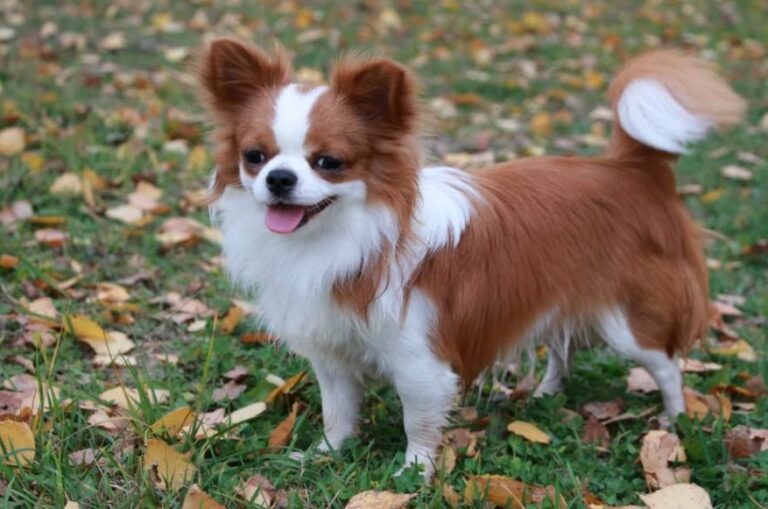
Dog anatomy is the foundation of responsible pet ownership, effective training, preventive healthcare, and early detection of health issues. Whether you are a new puppy parent, an experienced dog guardian, a trainer, or simply curious about how your canine companion works, understanding the structure and function of a dog’s body helps you provide better care, recognize when something is wrong, and appreciate the remarkable design that makes dogs such adaptable and loyal companions.
In 2026, with advances in veterinary imaging, nutrition, and rehabilitation, knowledge of canine anatomy has never been more accessible or important. Dogs come in an incredible variety of shapes and sizes — from tiny Chihuahuas to massive Great Danes — yet the basic anatomical blueprint remains remarkably consistent across breeds, with variations mainly in proportion, bone density, and muscle mass. A typical adult dog has approximately 320 bones (depending on tail length) and around 700 muscles, along with complex systems for circulation, respiration, digestion, sensation, and reproduction.
This comprehensive 3000-word guide explores dog anatomy in clear, practical detail. It covers external features, the skeletal system, muscular system, internal organs and major body systems (digestive, respiratory, cardiovascular, nervous, urinary, reproductive, and sensory), breed-specific differences, and how anatomy influences daily care and health. Real-world applications, common issues, and tips for owners are included throughout.
External Anatomy: What You See on the Outside
A dog’s external anatomy provides the first clues to breed, health, and personality. Starting from the head and moving rearward:
- Head and Skull: The skull protects the brain and houses sensory organs. Breeds vary dramatically — brachycephalic (short-faced) dogs like Bulldogs and Pugs have compressed skulls and airways, while dolichocephalic (long-faced) breeds like Greyhounds have elongated muzzles for better scenting. Key landmarks include the stop (indentation between forehead and muzzle), occiput (back of skull), and powerful jaw with teeth adapted for tearing and grinding.
- Ears: Erect (prick) ears in breeds like German Shepherds or folded/floppy ears in Cocker Spaniels. The pinna (visible part) directs sound, while the inner ear handles balance and hearing.
- Eyes: Positioned for wide field of vision. Dogs have dichromatic vision (primarily blue and yellow tones) and excellent low-light sight due to the tapetum lucidum layer behind the retina.
- Nose and Muzzle: The rhinarium (nose leather) is unique to each dog, like a fingerprint. Dogs have up to 300 million scent receptors (vs. 6 million in humans), making their sense of smell extraordinarily powerful.
- Neck and Shoulders: The neck is flexible for grooming and scanning surroundings. The scapula (shoulder blade) is not tightly attached to the skeleton by bone, allowing greater stride length and shock absorption.
- Body (Trunk): Includes the thorax (chest) housing heart and lungs, and the abdomen containing digestive organs. The topline (back) varies — level in many breeds, sloping in others.
- Tail: Used for balance, communication, and expression. Length and carriage differ by breed; some are docked for tradition (though increasingly controversial).
- Legs and Paws: Dogs are digitigrade — they walk on their toes. Forelimbs carry about 60% of body weight. Paws have pads for cushioning and traction, plus dewclaws (vestigial thumbs) on some dogs. Nails grow continuously and need regular trimming.
Understanding external landmarks helps with palpation (feeling for injuries), grooming, and recognizing conformational issues that predispose certain breeds to problems.

The Skeletal System: Framework and Support
The dog’s skeleton provides structure, protects vital organs, stores minerals, and produces blood cells in the bone marrow. It is divided into the axial skeleton (skull, vertebral column, ribs, sternum) and appendicular skeleton (limbs and girdles).
- Vertebral Column: Typically 7 cervical (neck), 13 thoracic (chest, with ribs), 7 lumbar (lower back), 3 sacral (fused into sacrum), and 20–23 coccygeal (tail) vertebrae. This flexible column allows agility and speed.
- Rib Cage: 13 pairs of ribs protect the heart and lungs. The first 9 pairs attach to the sternum; the rest are “floating” or attached by cartilage.
- Limbs: Forelimb includes scapula, humerus, radius/ulna, carpus (wrist), metacarpals, and phalanges (toes). Hindlimb features pelvis, femur, tibia/fibula, tarsus (hock), metatarsals, and phalanges. The hock is the equivalent of the human ankle and is a common site of injury in active dogs.
Breed variations are significant: chondrodystrophic breeds (Dachshunds, Corgis) have shortened limbs, increasing risk of intervertebral disc disease (IVDD). Giant breeds have heavier bones but higher orthopedic risks like hip dysplasia.
The skeleton reaches full maturity between 12–24 months, depending on size — larger dogs take longer, which is why controlled exercise is crucial for puppies to avoid joint damage.
The Muscular System: Movement and Power
Dogs have three main muscle types: skeletal (voluntary movement), smooth (internal organs), and cardiac (heart). Skeletal muscles number around 700 and work in pairs — flexors and extensors — for coordinated motion.
Key muscle groups include:
- Head and Neck: Powerful jaw muscles (masseter, temporalis) for chewing; neck muscles for head movement.
- Shoulder and Forelimb: Deltoids, triceps, and pectorals enable powerful forward propulsion. The serratus ventralis helps stabilize the scapula.
- Core and Back: Epaxial muscles support the spine; abdominal muscles (rectus abdominis) aid in flexion and protect organs.
- Hindlimb: Gluteals, quadriceps, hamstrings, and gastrocnemius power running, jumping, and sudden stops.
Muscles attach to bones via tendons and are controlled by nerves. Well-conditioned muscles improve performance in sports like agility or flyball and help prevent injuries. Regular exercise, proper warm-up/cool-down, and massage or physical therapy support muscular health, especially in senior or athletic dogs.
Puppies: Cocker Spaniel Puppy for Sale
The Digestive System: From Food to Fuel
The canine digestive tract is designed for a primarily carnivorous/omnivorous diet, processing food quickly.
- Mouth and Teeth: 42 permanent teeth (20 in puppies). Incisors for nibbling, canines for tearing, premolars/molars for crushing. Salivary glands produce amylase for initial starch breakdown.
- Esophagus: Transports food to the stomach via peristalsis.
- Stomach: Highly acidic environment breaks down proteins. Dogs can eat larger meals less frequently than humans.
- Small Intestine: Primary site of nutrient absorption (duodenum, jejunum, ileum). Villi increase surface area.
- Large Intestine (Colon): Absorbs water and forms feces. The cecum is small in dogs compared to herbivores.
- Accessory Organs: Liver (detoxification, bile production), pancreas (enzymes and insulin), gallbladder (bile storage).
Dogs have a shorter digestive tract than herbivores, allowing faster transit (12–30 hours typically). This explains why they can handle raw or high-protein diets but are prone to issues like bloat (GDV) in deep-chested breeds. Feeding appropriate portions, avoiding table scraps, and monitoring for vomiting/diarrhea are essential.
The Respiratory System: Breathing and Cooling
Dogs pant to regulate temperature since they have limited sweat glands (mainly in paw pads). The system includes:
- Nose and Nasal Cavity: Filters, warms, and humidifies air while providing scent detection.
- Pharynx, Larynx, Trachea: Air passageways; larynx protects airway during swallowing.
- Bronchi and Lungs: Branch into smaller airways ending in alveoli for gas exchange (oxygen in, carbon dioxide out).
Brachycephalic breeds (French Bulldogs, Pugs) often suffer from Brachycephalic Obstructive Airway Syndrome (BOAS), with narrowed nostrils, elongated soft palate, and everted laryngeal saccules, leading to noisy breathing and heat intolerance. Flat-faced dogs need careful exercise management and cooling strategies.
The Cardiovascular and Circulatory System
The heart (four chambers) pumps oxygenated blood through arteries and deoxygenated blood back via veins. Dogs have a strong cardiovascular system suited for bursts of activity. Average heart rate: 60–140 beats per minute (higher in small breeds, puppies).
Blood carries oxygen, nutrients, hormones, and immune cells while removing waste. Common issues include heart murmurs, dilated cardiomyopathy (especially in large breeds like Dobermans), and valvular disease in small breeds.
The Nervous System and Sensory Organs
The brain and spinal cord form the central nervous system, with peripheral nerves carrying signals. Dogs have excellent hearing (up to 45,000 Hz vs. human 20,000 Hz) and smell but poorer color vision.
Special senses:
- Vision: Tapetum lucidum for night vision; wider field but less detail than humans.
- Hearing: Mobile ears pinpoint sound direction.
- Smell: Vomeronasal organ detects pheromones.
- Touch: Whiskers (vibrissae) and paw pads are highly sensitive.
Neurological issues like epilepsy or degenerative myelopathy appear in certain breeds.
The Urinary and Reproductive Systems
Kidneys filter blood and produce urine; bladder stores it. Males have prostate glands (prone to issues if unneutered); females have a bicornuate uterus.
Spaying/neutering prevents unwanted litters and reduces certain cancers but should be timed based on breed, size, and health discussions with a vet.
Breed Variations and Anatomical Considerations
Anatomy explains many breed traits and health predispositions:
- Deep-chested breeds (Great Danes) risk bloat.
- Long-backed breeds (Dachshunds) risk IVDD.
- Giant breeds grow rapidly, needing joint support.
- Sighthounds have lean builds for speed; mastiffs have heavy bone for power.
Understanding these helps tailor diet, exercise, and preventive care.
Practical Applications for Dog Owners
Knowledge of anatomy improves:
- Grooming and nail trimming (avoid quick).
- Injury recognition (limping may indicate joint or muscle issues).
- Training (respecting physical limits prevents strain).
- Emergency response (CPR landmarks, signs of distress).
- Senior care (arthritis, reduced organ efficiency).
Regular vet checkups, weight management, dental care, and breed-appropriate exercise keep anatomical systems functioning optimally.
Frequently Asked Questions (FAQs)
1. How many bones does a dog have? Approximately 320 bones, though the exact number varies slightly with tail length and breed.
2. Why do dogs pant instead of sweating? Dogs have limited sweat glands in their paw pads. Panting evaporates moisture from the tongue and respiratory tract to cool the body.
3. How many teeth do adult dogs have? 42 permanent teeth. Puppies have 28 deciduous (baby) teeth that are replaced by around 6–7 months of age.
4. What is the difference between a dog’s forelimbs and hindlimbs? Forelimbs carry about 60% of body weight and provide braking and turning; hindlimbs provide propulsion and power.
5. Why are some breeds more prone to breathing problems? Brachycephalic breeds have shortened skulls and airways, leading to BOAS and increased respiratory effort.
6. How long is a dog’s digestive tract compared to humans? Shorter relative to body size, allowing faster processing of meat-based diets (typically 12–30 hours transit time).
7. Can dogs see color? Yes, but limited — primarily blues and yellows, similar to red-green color blindness in humans.
8. What causes bloat (GDV) in dogs? Rapid gas buildup and stomach twisting, common in deep-chested, large breeds. It is a life-threatening emergency.
9. How sensitive is a dog’s sense of smell? Extraordinarily powerful — up to 100,000 times more sensitive than humans, with dedicated brain areas for scent processing.
10. Why do dogs need their dewclaws removed sometimes? Dewclaws are vestigial and can snag or cause injury in some working breeds; many vets now recommend leaving them unless problematic.
11. At what age is a dog’s skeleton fully mature? 12–24 months, later in larger breeds. Over-exercising puppies can damage growth plates.
12. How does anatomy affect grooming needs? Floppy ears trap moisture (ear infections), long coats mat easily, and wrinkled faces need daily cleaning to prevent dermatitis.
Conclusion
Dog anatomy reveals a masterpiece of evolutionary engineering — a flexible skeleton for agility, powerful muscles for speed and endurance, acute senses for survival, and efficient systems for converting food into energy and maintaining homeostasis. From the sensitive nose that maps the world through scent to the sturdy paws that carry them across varied terrain, every part works in harmony to make dogs the versatile companions we cherish.
Understanding your dog’s anatomy empowers you to make better decisions about nutrition, exercise, training, grooming, and healthcare. It helps you spot subtle signs of discomfort early, tailor activities to your dog’s build and breed, and provide the supportive environment that allows them to thrive for 10–15+ years.
Whether your dog is a tiny lap companion, an athletic sporting dog, or a gentle giant, appreciating their internal and external design deepens the bond you share. Regular veterinary care, responsible breeding practices, weight management, and informed daily choices honor the remarkable anatomy that lets dogs run, play, protect, and love with such enthusiasm.
Take time to observe your dog’s movement, breathing, appetite, and energy levels. Learn basic palpation and first-aid landmarks. Celebrate the small wonders — the wagging tail powered by strong hindquarter muscles, the alert ears catching every sound, the loyal heart beating steadily beside you.
In the end, knowing your dog’s anatomy is more than biology — it is an act of love and respect that enriches both your lives. Here’s to healthier, happier dogs and the humans who understand and care for the incredible bodies that carry their beautiful spirits.