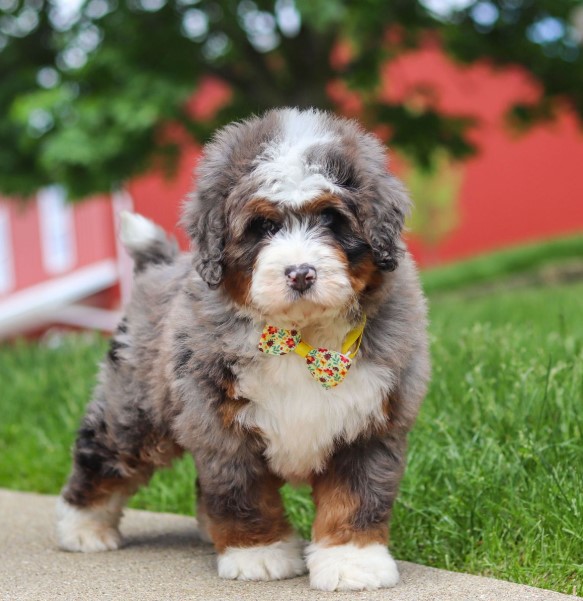
Bringing home a Cocker Spaniel puppy is an exciting decision that promises years of affection, playfulness, and loyalty. Known for their soulful eyes, silky coats, and cheerful personalities, Cocker Spaniel puppies often steal hearts instantly. Whether you are searching for “Cocker Spaniel puppy for sale” online or through local breeders, making an informed choice is essential to ensure your new family member is healthy, well-socialized, and suited to your lifestyle.
In 2026, Cocker Spaniel puppies remain popular due to their friendly nature and manageable size. This comprehensive guide covers the breed’s history, differences between American and English varieties, what to expect when buying a puppy, care requirements, training tips, health considerations, ethical sourcing, and practical advice for new owners. It also includes a detailed FAQ section and a heartfelt conclusion to help you decide if a Cocker Spaniel puppy is the right “forever friend” for you.
History and Background of the Cocker Spaniel
The Cocker Spaniel originated in England as a hunting dog used to flush woodcock (hence the name “Cocker”). Over time, the breed split into distinct lines. The American Cocker Spaniel was developed in the United States primarily for show and companionship, resulting in a smaller, more glamorous appearance with a rounded head, shorter muzzle, and luxurious coat. The English Cocker Spaniel stayed closer to its working roots, appearing slightly taller, more athletic, and often with a less exaggerated coat.
Both varieties share a joyful, people-oriented temperament, but subtle differences exist in size, energy, and grooming needs. American Cockers typically stand 13.5–15.5 inches tall and weigh 20–30 pounds, while English Cockers are 15–17 inches tall and weigh 26–34 pounds. Colors range from solid buff, black, and parti-colors to roan patterns (more common in English lines).
Cocker Spaniels are classified as sporting dogs by the AKC. They are intelligent, eager to please, and thrive on human interaction, making them excellent family pets when properly bred and raised.
Why People Search for Cocker Spaniel Puppies for Sale
Cocker Spaniel puppies appeal to many families because they are:
- Affectionate and gentle with children (when socialized well).
- Compact enough for apartments or suburban homes.
- Playful yet adaptable to different activity levels.
- Beautiful with their flowing ears and expressive faces.
However, they are not low-maintenance. Their long, silky coats require regular grooming, and their floppy ears make them prone to infections. Prospective buyers should understand these realities before searching for a Cocker Spaniel puppy for sale.

Current Prices and Market Overview (2026)
The average cost of a Cocker Spaniel puppy from a responsible breeder ranges from $800 to $2,000, with many falling between $1,000 and $1,500. Show-quality or champion bloodline puppies can exceed $2,000. Adoption fees from rescues are much lower, typically $200–$600, often including spay/neuter and initial vaccinations.
Prices vary by location, breeder reputation, pedigree, and whether the puppy is American or English. Avoid suspiciously low prices (under $800 for a purebred), as they often indicate backyard breeding or puppy mills.
Ethical Considerations: How to Find a Reputable Cocker Spaniel Puppy for Sale
When searching for a Cocker Spaniel puppy for sale, prioritize ethics over convenience:
Reputable Breeders:
- Health-test parents for common issues (hips, eyes, PRA).
- Raise puppies in the home with early socialization.
- Allow you to meet the mother and see the environment.
- Provide health guarantees, contracts, and lifetime support.
- Are members of breed clubs like the American Spaniel Club.
Red Flags:
- Puppies available immediately in large numbers.
- No health testing or vet records.
- Sellers unwilling to show the breeding facility.
- Pressure to buy quickly or pay in cash only.
- Puppies sold before 8 weeks of age.
Adoption Option: Many Cocker Spaniels and mixes end up in breed-specific rescues. Adopting gives a second chance to a dog that may already be house-trained or past the most destructive puppy phase.
Puppies: Puppy.com
What to Expect from a Cocker Spaniel Puppy
Appearance and Growth: Cocker Spaniel puppies are born with soft, fluffy coats that develop into the breed’s signature silky, feathered fur. They grow quickly in the first year, reaching near-adult size by 10–12 months.
Temperament: Well-bred Cocker Spaniel puppies are happy, outgoing, and affectionate. They love people and often get along with other pets. Some can be sensitive or prone to resource guarding if not trained early.
Energy Level: Moderate to high. They enjoy daily walks, playtime, and mental stimulation but are not as demanding as high-drive sporting breeds.
Bringing Your Cocker Spaniel Puppy Home: First Weeks
Preparation:
- Puppy-proof your home (secure cords, toxic plants, small objects).
- Set up a crate, playpen, and designated potty area.
- Stock high-quality puppy food, chew toys, grooming tools, and a harness.
House Training: Cocker Spaniel puppies respond well to positive reinforcement. Take them out frequently (every 1–2 hours initially), reward successes, and be patient during accidents.
Socialization: The critical period (8–16 weeks) is vital. Expose your puppy gently to new people, sounds, surfaces, and other dogs to prevent fearfulness.
Grooming from Day One: Start gentle brushing and handling of ears, paws, and mouth. Professional grooming every 4–6 weeks is recommended for adults, but daily brushing prevents mats in puppies.
Nutrition for Cocker Spaniel Puppies
Feed a high-quality large-breed or medium-breed puppy formula. Small, frequent meals help prevent hypoglycemia in young puppies. Transition to adult food around 12 months. Monitor weight to avoid obesity, which exacerbates joint and skin issues.
Training a Cocker Spaniel Puppy
Cocker Spaniels are intelligent and food-motivated, making them relatively easy to train with positive methods. Focus on:
- Basic commands (sit, stay, come, leave it).
- Loose-leash walking.
- Bite inhibition and gentle mouthing.
- Crate training for security and housebreaking.
Enroll in puppy classes for socialization and professional guidance. Avoid harsh corrections, as sensitive Cockers can become anxious or shut down.
Grooming and Coat Care
The Cocker Spaniel’s beautiful coat is high-maintenance. Daily brushing prevents mats, especially behind ears, under legs, and on the belly. Regular ear cleaning is crucial to prevent infections caused by trapped moisture. Many owners opt for professional grooming to keep the coat in show or pet trim.
Common Health Issues in Cocker Spaniel Puppies
Cocker Spaniels are generally healthy but can be prone to:
- Ear infections — Due to floppy ears trapping moisture and debris.
- Eye problems — Progressive Retinal Atrophy (PRA), cataracts, glaucoma.
- Hip dysplasia — Genetic joint issue.
- Skin allergies and dermatitis.
- Obesity — If overfed or under-exercised.
- Dental disease — Regular brushing helps.
Choose breeders who perform OFA hip evaluations, CERF eye exams, and other recommended tests.
Exercise and Mental Stimulation
Daily walks (30–60 minutes) plus playtime keep your Cocker happy. They enjoy agility, scent work, and retrieving games. Mental enrichment through puzzle toys prevents boredom and destructive behavior.
Pros and Cons of Owning a Cocker Spaniel Puppy
Pros:
- Loving, affectionate, and great with families.
- Beautiful appearance and soft expression.
- Intelligent and trainable.
- Adaptable to various home sizes.
Cons:
- High grooming requirements.
- Prone to ear infections and eye issues.
- Can be sensitive or stubborn if not trained consistently.
- Potential for separation anxiety.
Frequently Asked Questions (FAQs)
1. How much does a Cocker Spaniel puppy cost in 2026? From responsible breeders, prices typically range from $800 to $2,000, with many around $1,000–$1,500. Adoption fees are lower ($200–$600).
2. What is the difference between American and English Cocker Spaniel puppies? American Cockers are smaller with a more rounded head and luxurious coat. English Cockers are slightly larger, more athletic, and often have working-style traits.
3. Are Cocker Spaniel puppies good with children? Yes, when properly socialized and supervised. They are gentle but can be overwhelmed by rough play due to their size.
4. How much grooming does a Cocker Spaniel puppy need? Daily brushing to prevent mats, plus professional grooming every 4–6 weeks. Ear cleaning several times weekly.
5. How long do Cocker Spaniels live? Average lifespan is 12–15 years with good care.
6. Are Cocker Spaniel puppies easy to train? They are intelligent and eager to please, responding well to positive reinforcement. Consistency is key.
7. What health issues should I watch for? Ear infections, eye problems (PRA, cataracts), hip dysplasia, and allergies. Choose health-tested parents.
8. Is a Cocker Spaniel puppy suitable for apartments? Yes, if given daily exercise and mental stimulation, though they do best with a yard for play.
9. Should I buy from a breeder or adopt? Both are valid. Reputable breeders offer predictability; rescues provide loving homes to dogs in need.
10. How much exercise does a Cocker Spaniel puppy need? Age-appropriate play and short walks. Avoid over-exercising growing joints.
11. What red flags should I avoid when buying a Cocker Spaniel puppy? Puppies available immediately in large numbers, no health testing, inability to meet the mother, or unrealistically low prices.
12. Can Cocker Spaniels be left alone? They prefer company and may develop separation anxiety. Crate training and gradual desensitization help.
Conclusion
Searching for a Cocker Spaniel puppy for sale can lead to one of the most rewarding relationships in your life. These charming, affectionate dogs bring joy, laughter, and unconditional love to families willing to meet their grooming, training, and health needs.
Whether you choose an American or English Cocker Spaniel, a puppy from a responsible breeder, or a rescue dog ready for a second chance, the key is preparation and commitment. Invest time in early socialization, consistent positive training, regular grooming, and preventive veterinary care. In return, your Cocker Spaniel puppy will reward you with years of companionship, tail wags, and soulful eyes that melt your heart.
Remember: a Cocker Spaniel puppy is not just a purchase — it is a living being who deserves a loving forever home. Choose ethically, prepare thoroughly, and cherish every moment with your new furry family member. The bond you build in those early puppy days will last a lifetime.