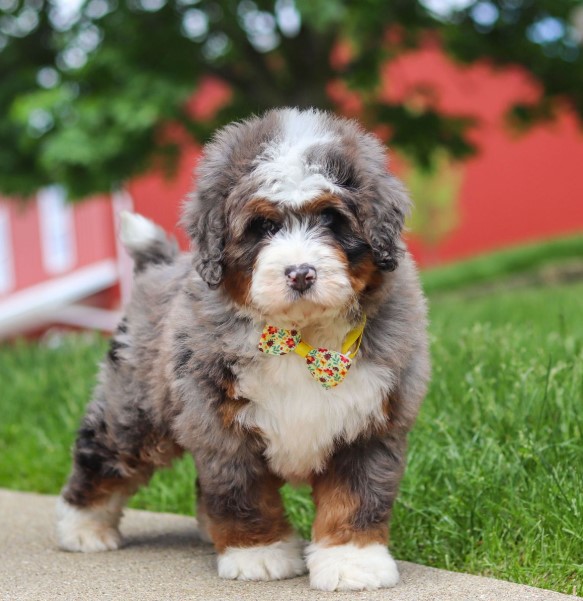
The Husky puppy is one of the most striking and energetic dogs you can bring into your home. With their piercing blue or multicolored eyes, thick double coat, wolf-like appearance, and boundless enthusiasm, Siberian Husky puppies capture attention wherever they go. Known for their intelligence, independence, playful nature, and incredible endurance, Huskies were originally bred as sled dogs in the harsh Siberian environment. Today, they make wonderful companions for active families who can meet their substantial physical and mental needs.
In 2026, Husky puppies remain highly popular among people who love outdoor activities, running, hiking, and dog sports. However, they are also one of the most frequently surrendered breeds to shelters because many owners underestimate their energy levels, independence, and strong prey drive. This comprehensive guide covers everything you need to know about raising a Husky puppy — from choosing the right breeder and preparing for arrival, to training, socialization, exercise, nutrition, health concerns, grooming, and long-term care. Whether you are thinking about bringing a Husky puppy home or have just welcomed one, this article provides practical, realistic, and up-to-date advice to help you raise a happy, healthy, and well-balanced dog.
History and Characteristics of the Siberian Husky Breed
The Siberian Husky originated in Northeast Asia, where the Chukchi people bred them as sled dogs to pull loads over long distances in extreme cold. They were prized for their endurance, speed, and ability to work in teams. In the early 20th century, Huskies were brought to Alaska and gained fame during the 1925 serum run to Nome, where they helped deliver life-saving diphtheria antitoxin.
The breed was officially recognized by the AKC in 1930. Siberian Huskies are medium-sized dogs, typically standing 20–23.5 inches tall at the shoulder and weighing 35–60 pounds when fully grown. They have a thick double coat (short undercoat and longer outer coat), erect ears, and a distinctive “mask” on the face. Their eyes are often blue, brown, or heterochromatic (one of each color), giving them an alert and striking expression.
Husky puppies grow quickly. They reach near-adult height by 10–12 months and continue filling out until 18–24 months. They are known for their high energy, strong pack mentality, and independent thinking — traits that make them excellent working dogs but can challenge first-time owners.
Choosing a Husky Puppy
Finding a good Husky puppy starts with selecting a responsible breeder:
What to Look For:
- Health testing for hips, elbows, eyes (cataracts, PRA), and thyroid
- Working or performance titles on parents (sledding, agility, obedience)
- Early socialization and exposure to different environments, sounds, and people
- Temperament testing of the litter
- A clean, loving environment where puppies are raised inside the home
- Willingness to answer questions and provide references
- A written health guarantee and take-back policy
Avoid breeders who:
- Sell puppies before 8–10 weeks of age
- Do not health-test parents
- Focus only on appearance or rare eye colors without regard for health and temperament
- Have multiple litters available at once
Consider adoption too — many wonderful Husky puppies and young adults end up in breed-specific rescues due to owners underestimating the breed’s needs.
Bringing Your Husky Puppy Home
The first few weeks are critical for setting routines and building trust.
Essential Supplies:
- Properly sized crate (sturdy and escape-proof — Huskies are known for their intelligence and determination)
- High-quality large-breed puppy food formulated for active breeds
- Durable chew toys (Huskies love to chew, especially during teething)
- Leash, harness, and collar (avoid choke or prong collars)
- Puzzle toys and mental enrichment items
- Grooming tools (brush, nail clippers, ear cleaner)
First-Day Tips:
- Keep the environment calm but structured
- Show your puppy their crate and potty area immediately
- Establish a consistent schedule for meals, potty breaks, exercise, and sleep
- Begin gentle handling to prepare for grooming, nail trimming, and vet visits
Nutrition for Husky Puppies
Husky puppies have high energy needs but are prone to rapid growth:
- Feed a high-quality large-breed puppy formula designed for active breeds
- Look for appropriate calcium and phosphorus levels to support steady growth and protect joints
- Feed 3–4 meals per day until 6 months, then reduce to 2–3 meals
- Monitor body condition closely — Huskies should be lean and athletic, not overweight
Transition to adult food gradually between 12–18 months. Many owners of working-line Huskies continue using performance or active formulas into adulthood.

House Training a Husky Puppy
Huskies are intelligent but can be independent, making house training require patience and consistency:
- Take your puppy out every 1–2 hours, plus after meals, naps, and play
- Use a consistent cue word (“Go potty”)
- Praise and reward immediately when they eliminate outside
- Never punish accidents — clean thoroughly with enzymatic cleaner
- Crate training is highly effective because Huskies naturally avoid soiling their sleeping area
Most Husky puppies achieve reliable house training by 4–6 months with diligent effort.
Puppies: Labrador Puppy
Socialization and Early Training
Early socialization is extremely important for Husky puppies because of their strong prey drive and independent nature:
- Expose them gently to different people, sounds, surfaces, and other dogs between 8–16 weeks
- Enroll in a good puppy socialization class
- Teach basic commands (sit, stay, come, leave it, heel) using positive reinforcement
- Begin loose-leash walking training early — Huskies can become strong pullers if not taught properly
Huskies are highly intelligent and thrive on mental stimulation. Short, fun training sessions work best. They excel in obedience, agility, sledding, and scent work when mature.
Exercise and Mental Stimulation
Husky puppies have exceptionally high exercise and mental stimulation needs:
- Minimum 60–90+ minutes of structured activity per day once cleared by a vet
- Include running, hiking, fetch, tug, agility, and scent work
- Mental exercise through puzzle toys, obedience training, and problem-solving games prevents boredom and destructive behavior
Without enough physical and mental outlets, Husky puppies can become restless, destructive, or overly vocal. A tired Husky is a well-behaved Husky.
Grooming a Husky Puppy
Huskies have a thick double coat that is relatively low-maintenance but sheds heavily:
- Weekly brushing with a slicker brush or undercoat rake to remove loose hair
- Occasional baths with a gentle dog shampoo (avoid over-bathing as it can dry out the coat)
- Regular nail trimming (every 2–3 weeks)
- Ear cleaning (their erect ears are generally easy to maintain)
- Teeth brushing or dental chews daily
Huskies shed moderately year-round with heavy “blowouts” in spring and fall. Regular brushing helps manage shedding and keeps the coat healthy.
Health Considerations for Husky Puppies
Huskies are generally healthy but can be prone to certain conditions:
- Hip Dysplasia — Genetic joint issue; health testing of parents is essential
- Eye Problems (cataracts, progressive retinal atrophy)
- Hypothyroidism
- Zinc Deficiency — Some Huskies have trouble absorbing zinc, leading to skin issues
- Bloat (GDV) — Common in deep-chested breeds
Responsible breeders test for hips, eyes, and thyroid. Regular veterinary checkups, proper nutrition, and weight management are crucial for Husky puppies.
Average lifespan for Siberian Huskies is 12–15 years with good care.
Training and Socialization Tips Specific to Huskies
Huskies are intelligent but independent thinkers. They respond best to positive reinforcement and clear leadership. They can be stubborn and may test boundaries, so consistency is key.
Many Husky owners find success with:
- Early obedience and impulse control training
- Socialization with a wide variety of people and dogs
- Activities like agility, nosework, sledding, or skijoring
Huskies have a strong prey drive and may chase small animals, so recall training is especially important.
Pros and Cons of Owning a Husky Puppy
Pros:
- Striking appearance with beautiful eyes and thick coat
- Highly intelligent and athletic
- Loyal and affectionate with family
- Excellent for active lifestyles and dog sports
- Generally healthy with good breeding
Cons:
- Extremely high exercise and mental stimulation needs
- Can be strong-willed and require experienced handling
- Heavy shedding, especially during coat blows
- Strong prey drive and potential for escaping fences
- Not ideal for sedentary households or first-time owners without commitment to training
Frequently Asked Questions (FAQs)
1. Are Husky puppies good with children? They can be excellent with children when properly socialized and raised with them. Their playful nature makes them fun companions, but supervision is recommended with very young kids due to their energy and size.
2. How much exercise does a Husky puppy need? At least 60–90 minutes of structured physical and mental exercise daily once cleared by a vet. They are high-drive dogs that need a “job” to stay happy.
3. Are Huskies easy to train? They are highly intelligent but independent. They learn quickly with positive reinforcement but can be stubborn. Consistent leadership is essential.
4. Do Huskies shed a lot? Yes, they shed moderately year-round with heavy “blowouts” in spring and fall. Regular brushing helps manage loose hair.
5. How long do Siberian Huskies live? Average lifespan is 12–15 years with good care.
6. Are Huskies aggressive? No. Well-bred and properly trained Huskies are friendly and gentle with people they know. They are not natural guard dogs but can be protective of their family.
7. What is the best diet for a Husky puppy? A high-quality large-breed or performance puppy formula with appropriate protein and calorie levels to support controlled growth.
8. How much does a Husky puppy cost? From responsible breeders, expect $1,000–$3,000+ depending on lineage, health testing, and working ability of parents.
9. Are Huskies good first dogs? They are challenging for complete beginners due to their high energy, intelligence, and need for experienced handling and consistent training.
10. Can Huskies live in apartments? Possible with exceptional daily exercise and mental stimulation, but they generally do better with a yard or access to open space for running.
11. Should I crop my Husky puppy’s ears? No. Huskies have naturally erect ears. Ear cropping is not part of the breed standard and is unnecessary.
12. What activities are Huskies best suited for? They excel in sledding, skijoring, agility, nosework, and other high-energy dog sports. They also make excellent hiking and running companions when trained.
Conclusion
A Husky puppy is a remarkable dog — intelligent, athletic, loyal, and full of life. Raising one successfully requires commitment, consistency, and a genuine understanding of the breed’s substantial physical and mental needs. From choosing a responsible breeder and providing proper nutrition, to early socialization, structured training, and regular veterinary care, every step you take in the first 18–24 months lays the foundation for a well-balanced, confident, and happy adult Husky.
While Husky puppies demand significant time, exercise, and leadership, the rewards are extraordinary. A well-raised Husky becomes not just a pet, but a true partner — a running companion, a playful friend, and a loyal family member who will bring energy and joy into your daily life.
If you are ready to welcome a Husky puppy into your home, do so with open eyes and an open heart. Research thoroughly, prepare your home and family, commit to training and exercise, and enjoy every moment of watching your puppy grow into a magnificent adult dog.