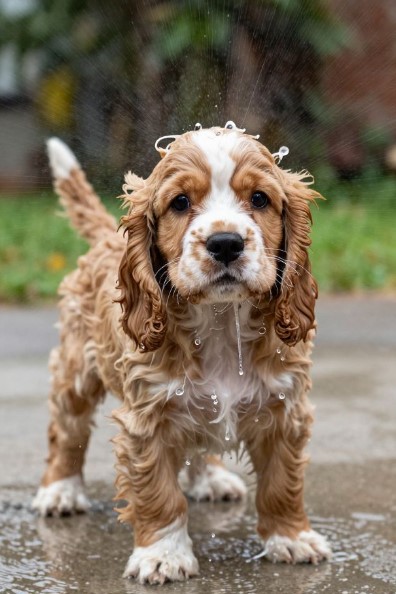
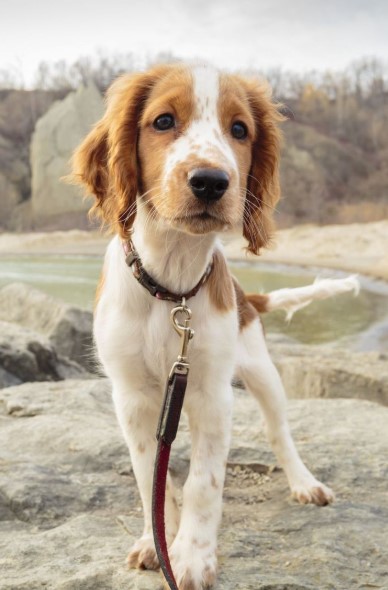
Belgian Malinois puppies are among the most impressive and demanding dogs you can bring into your life. Often called “Maligators” by enthusiasts, these puppies combine explosive energy, razor-sharp intelligence, unwavering loyalty, and a strong drive to work. With their sleek, athletic build, alert ears, intense gaze, and confident demeanor, they look every bit the elite working dog they were bred to be.
Originally developed in Belgium as versatile herding and protection dogs, the Malinois has become a favorite of military, police, search-and-rescue teams, and serious sport handlers worldwide. In 2026, Belgian Malinois puppies remain highly sought after, but they are not suitable for casual or first-time owners. This comprehensive 3000-word guide covers everything you need to know about Belgian Malinois puppies — from history and breed standards to physical traits, temperament, puppy care essentials, training challenges, common health concerns, adoption vs. buying, and realistic expectations for life with this powerful breed.
History and Origins of the Belgian Malinois
The Belgian Malinois is one of four varieties of Belgian Shepherd dogs (along with the Groenendael, Tervuren, and Laekenois). All four were developed in Belgium in the late 19th and early 20th centuries by breeders seeking versatile farm dogs capable of herding, guarding, and pulling carts.
The Malinois variety, named after the city of Malines (Mechelen), was prized for its working ability rather than appearance. Early Malinois were used for herding sheep, protecting property, and as police and military dogs. During both World Wars, they served as messenger dogs, ambulance dogs, and patrol dogs.
After World War II, the breed gained popularity in the United States, particularly in working-dog circles. Today, the Malinois is the breed of choice for many elite units, including U.S. Navy SEALs (notably Cairo, who participated in the raid on Osama bin Laden). The American Kennel Club recognized the Belgian Malinois as a distinct breed in 1959.

Physical Characteristics of Belgian Malinois Puppies
Belgian Malinois puppies are born looking like small, fawn-colored fluffballs and grow into lean, muscular adults built for speed and endurance.
Size and Growth:
- Newborns: 12–20 ounces.
- At 8 weeks (typical adoption age): 8–15 pounds.
- Adult males: 60–80 pounds, 24–26 inches tall at shoulder.
- Adult females: 40–60 pounds, 22–24 inches tall.
They grow rapidly in the first year, reaching near-adult height by 10–12 months and filling out until 2–3 years. Controlled nutrition is critical to prevent joint problems.
Coat and Colors:
- Short, dense double coat that lies flat.
- Colors: Rich fawn to mahogany with black overlay (black mask and ears are standard).
- Some dogs show a lighter “sable” or “gray” appearance.
- Puppies have softer coats that harden into the adult’s sleek, weather-resistant coat by 6–12 months.
Facial Features:
- Alert, triangular ears that stand erect.
- Dark, almond-shaped eyes with an intense, focused expression.
- Strong muzzle, powerful jaw, and confident carriage.
Temperament and Personality of Belgian Malinois Puppies
Belgian Malinois puppies are not “average” dogs. They are high-drive, high-intelligence working animals with strong personalities. Key traits include:
- Intense Drive and Energy — Malinois puppies have tremendous stamina and mental sharpness. Without proper outlets, they can become destructive, anxious, or obsessive.
- High Intelligence — They learn commands extremely quickly and excel in obedience, protection sport (Schutzhund/IPG), agility, nosework, and tracking.
- Loyal and Protective — They bond deeply with their handler/family and are naturally wary of strangers. Good socialization is essential to prevent over-protectiveness.
- Confident and Courageous — Fearless in the face of challenges; they were bred to confront threats.
- Sensitive — Despite their tough image, many Malinois are emotionally sensitive. Harsh training can cause shutdown or anxiety.
- Prey Drive — Very high. They may chase cats, small animals, bikes, or joggers if not trained.
- Work Ethic — They need a “job.” Without purpose, they invent their own (often undesirable) activities.
Puppies are bold explorers and mouthy chewers. Early bite inhibition and redirection are critical.
Puppies: Pawrade Puppies
Caring for Belgian Malinois Puppies: First Year Essentials
Nutrition:
- High-quality large-breed puppy food formulated for active/working dogs.
- 3–4 meals per day until 6 months, then 2 meals.
- Controlled calories to support steady growth without excess weight.
House Training:
- Frequent potty breaks (every 1–2 hours initially).
- Crate training is highly recommended for management and security.
- Positive reinforcement works best.
Socialization and Exercise:
- The critical socialization window (8–16 weeks) is extremely important. Expose gently to people, dogs, sounds, surfaces, and environments.
- 60–90+ minutes of structured exercise daily once cleared by a vet. Include mental work (puzzle toys, obedience, scent games).
- Avoid high-impact activities (jumping, long runs) until 18–24 months to protect developing joints.
Health Basics:
- Vaccinations, deworming, flea/heartworm prevention schedule.
- Vet checks at 8, 12, 16 weeks.
- Spay/neuter timing should be discussed with your vet (often later for working lines to support joint and bone development).
Grooming Belgian Malinois Puppies
Low-maintenance coat:
- Brush weekly with a rubber curry brush or slicker to remove loose hair.
- Bath every 6–8 weeks or as needed.
- Trim nails regularly, clean ears, and brush teeth.
- They shed moderately year-round and more heavily twice a year.
Training Belgian Malinois Puppies
Malinois puppies are highly trainable but require experienced handling:
- Start obedience and socialization immediately.
- Use positive reinforcement combined with clear structure and fair corrections when needed.
- Enroll in puppy classes and continue with advanced training (protection sport, agility, or nosework).
- Teach impulse control, loose-leash walking, and a reliable “leave it” and “place” command early.
Without proper outlets for their drive, Malinois can become frustrated, destructive, or overly reactive.
Common Health Issues in Belgian Malinois
Lifespan: 10–14 years (average 12 years).
Major Concerns:
- Hip and elbow dysplasia — genetic; OFA screening essential.
- Progressive Retinal Atrophy (PRA) — eye disease.
- Epilepsy — some lines.
- Bloat (GDV) — common in deep-chested breeds.
- Skin allergies and sensitivities.
Choose breeders who health-test parents for hips, elbows, eyes, and cardiac issues.
Pros and Cons of Belgian Malinois Puppies
Pros:
- Extremely intelligent and trainable.
- Loyal, protective, and deeply bonded with family.
- Athletic and versatile (excel in many dog sports).
- Elegant and striking appearance.
- Excellent working and sport potential.
Cons:
- Very high energy and drive — not suitable for casual owners.
- Require experienced handling and strong leadership.
- Can be dog-selective or reactive without proper socialization.
- Prone to certain genetic health issues.
- Not ideal for apartments or low-activity homes.
Adoption vs. Buying Belgian Malinois Puppies
Adoption:
- Many Malinois and mixes end up in rescue due to their high drive and need for structure.
- Lower cost ($300–$1,200); often already spayed/neutered and started on training.
- Ethical choice that gives a second chance to a dog that may have been surrendered due to mismatched expectations.
Buying:
- Reputable breeders health-test extensively and focus on working temperament.
- Cost $2,000–$5,000+ for well-bred puppies from proven lines.
- Research thoroughly: meet parents, visit the facility, ask for health clearances and working titles.
Avoid backyard breeders and puppy mills that produce Malinois without regard for temperament or health.
Frequently Asked Questions (FAQs)
1. How big do Belgian Malinois puppies get? Adult males: 60–80 pounds, 24–26 inches; females: 40–60 pounds, 22–24 inches.
2. Are Belgian Malinois good family dogs? They can be excellent with experienced families who provide structure, exercise, and training. They are protective and loyal but require careful socialization.
3. How much exercise does a Malinois puppy need? 60–90+ minutes of structured physical and mental exercise daily once cleared by a vet. They need a “job.”
4. Do they bark a lot? They are alert and vocal when they perceive a need, but excessive barking can be managed with training.
5. Lifespan? 10–14 years, averaging around 12 years.
6. Grooming needs? Low — weekly brushing, occasional bath.
7. Common health issues? Hip/elbow dysplasia, PRA, epilepsy, bloat.
8. Are they hypoallergenic? No — they shed moderately.
9. Good with children? Possible with proper socialization and supervision, but their energy and strength require caution with young children.
10. Apartment-friendly? Generally not recommended due to high energy and drive.
11. Puppy or adult adoption? Adults from rescue can be excellent if temperament-tested; puppies require more intensive training and socialization.
12. Cost of a Belgian Malinois puppy? $2,000–$5,000+ from reputable breeders; rescue fees are much lower.
Conclusion
Belgian Malinois puppies are not average dogs. They are intense, intelligent, athletic, and deeply loyal working companions that demand an owner who can match their drive and provide clear leadership, consistent training, and ample outlets for their energy. When placed in the right home, a Malinois becomes an extraordinary partner — capable, protective, affectionate, and endlessly impressive.
Raising a Malinois puppy is a significant commitment that requires time, knowledge, and dedication. Early socialization, positive yet structured training, proper exercise, and health vigilance are non-negotiable. For the right person or family, the rewards are immense: a dog who will protect you, work beside you, and love you with fierce devotion for 10–14 years.
If you are considering a Belgian Malinois puppy, be honest with yourself about your lifestyle, experience level, and ability to provide the structure and activity this breed needs. Adopt from reputable Malinois-specific rescues when possible, or choose an ethical breeder who focuses on health, temperament, and working ability.