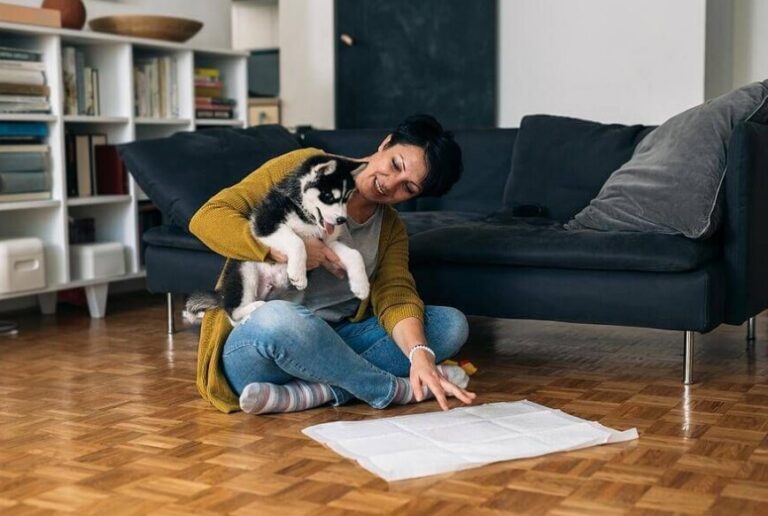
Shih Tzu (pronounced “Sheed-zoo” or “Sheet-su” – both are accepted) are not just dogs. They are living, breathing, silk-haired teddy bears bred for one job across centuries of Chinese palaces: to warm royal laps and charm emperors. Today, those same soul-melting eyes and flowing coats have made them one of the most beloved toy breeds on earth. But behind the glamour and the top-knot bows is a surprisingly big personality wrapped in a 9–16 lb package.

This is the definitive, no-stone-unturned guide for anyone considering a Shih Tzu puppy in 2026 and beyond, from palace history to potty training, health realities to teenage rebellion, grooming marathons to lifelong love.
The Origin Story: From Tibetan Holy Dogs to Imperial Lap Warmers
Bred by Tibetan monks as gifts to Chinese royalty, Shih Tzus were literally considered “little lions” (Shih Tzu = lion dog in Mandarin) and symbols of protection against evil spirits. Only the imperial family and highest nobility were allowed to own them until the 1930s. Almost the entire modern population traces back to just 14 dogs that survived World War II. That tiny gene pool is why responsible breeding matters more than ever.
Puppies: Corgi Puppies
Why Shih Tzu Puppies Are So Addictive
- Hypoallergenic-ish double coat that feels like human hair
- Comedian-level facial expressions and dramatic sighs
- Velcro-dog devotion – they live for human company
- Surprisingly sturdy for a toy breed – many live 14–18 years
- Excel at therapy work, trick training, and just looking fabulous
- Three official sizes: Imperial/Teacup (under 9 lbs – controversial), Standard (9–16 lbs), and the rare “European” larger type
- Zero prey drive – they usually adore cats and pocket pets
The trade-offs? Grooming commitment, stubborn streak, and delicate respiratory system.
Finding an Ethical Shih Tzu Breeder in 2026
The toy-breed boom has flooded the market with poorly bred “teacup” Shih Tzus from puppy mills. A responsible breeder will:
- Belong to the American Shih Tzu Club (ASTC), Shih Tzu Club UK, or national equivalent
- Health test parents for: – Juvenile Renal Dysplasia (DNA test available) – PRA and other eye diseases (annual CERF/CAER) – Patellar luxation, hip evaluation – Thyroid, liver shunt screening, cardiac exam – vWD if in bloodline
- Never advertise “Imperial,” “Teacup,” or “Tiny Toy” as a positive traits (these are usually runts with health issues)
- Raise puppies inside the home with Early Neurological Stimulation and daily handling
- Require spay/neuter contracts for pet homes
- Have waiting lists 6–18 months long
Price range from ethical sources: $2,200–$5,000 USD / €2,000–€4,800 / £1,900–£4,500 depending on bloodline, color, and coat quality. Anything under $1,800 is almost certainly backyard or commercial.
Coat Colors, Types & The Famous Shih Tzu Hair
Official colors: All are allowed, including solid black, liver, blue, silver, brindle, gold, red, and every imaginable combination with white markings. Rare colors (pure black, liver, true blue) often cost more but carry no health advantage.
Coat types:
- Puppy coat: soft, fluffy, low-maintenance until 8–10 months
- Adult coat: arrives around 10–14 months, long, dense, and high-maintenance
- Some lines stay “cottony,” others develop the classic silky floor-length show coat
Bringing Your Shih Tzu Puppy Home (10–14 Weeks Ideal)
Shih Tzus are emotionally fragile when separated too early. Top breeders keep them until at least 10–12 weeks, some until 14–16 weeks for better socialization and coat transition.
Essential Puppy Shopping List
- 24–30″ crate with soft bedding
- X-pen for safe play zone
- Puppy playpen with washable pee pads (Shih Tzus are notoriously slow to house-train)
- Top-knot bands and tiny brushes from day one
- Tear-stain remover and facial wipes
- Snub-nose friendly harness (never collar pressure on trachea)
- Elevated food bowls (reduces neck strain and tear staining)
First 48 Hours Survival Guide
- Keep the environment quiet – no children’s birthday parties
- Feed exactly the same food the breeder used for two weeks minimum
- Sleep near the crate the first few nights – they cry for mom
- Schedule vet visit within 72 hours for health certificate check
House Training a Shih Tzu Puppy – The Struggle Is Real
Shih Tzus have tiny bladders, thick coats that hide accidents, and zero cold tolerance. Realistic timeline: 8–14 months to full reliability.
Proven methods that work:
- Litter-box or indoor grass patch training (many adults never become 100 % outdoor reliable in bad weather)
- Crate + x-pen combo with scheduled potty breaks every 60–90 minutes
- Bell training at the door
- Never use pee-pad “freedom” too long – they’ll think the whole house is a toilet
- Celebrate like you won the lottery for outdoor success
Grooming: The Make-or-Break Reality
There are only two Shih Tzu coat options in real life:
- Full Show Coat (floor-length, daily brushing, weekly baths, top-knots, wraps) – 30–60 minutes daily maintenance – Professional grooming every 4–6 weeks
- Puppy Cut / Teddy Bear Trim (1–2 inches all over) – Brush 3–4 times per week – Bath every 7–14 days – Groomer every 6–8 weeks
There is no “low-maintenance” adult Shih Tzu coat. Accept it or choose a different breed.
Daily routine checklist:
- Facial cleaning with tear-stain remover
- Eye corner hair trimmed to prevent irritation
- Top-knot or short cut to keep hair out of food bowl
- Teeth brushing 4–7 times/week (dental disease is epidemic)
- Ear plucking/cleaning weekly
Training & Socialization: Stubborn Doesn’t Mean Untrainable
Shih Tzus rank #70 in working intelligence, but they’re actually very clever when properly motivated. They excel at:
- Trick training (many earn AKC Trick Dog titles)
- Rally, obedience
- Scent work
- Therapy dog certification
Rules for success:
- Sessions 2–3 minutes, 5–6 times daily
- Use pea-sized soft treats – they gain weight on air
- Never use harsh voice – they shut down and pee submissively
- House rule: nothing in life is free (sit before meals, leash, cuddles)
- Socialize intensively 8–16 weeks – carry in a sling to cafés, stores, parks
Health Issues Every Shih Tzu Owner Must Know
- Brachycephalic Airway Issues – Snorting, reverse sneezing, heat intolerance – Avoid exercise in temperatures over 80 °F / 27 °C
- Eye Problems – Proptosis (eye popping out – emergency!) – Dry eye, corneal ulcers, distichiasis – Daily eye cleaning is mandatory
- Dental Disease – Start brushing at 8 weeks or expect extractions by age 3–4
- Patellar Luxation & Hip Dysplasia – Common even in small dogs
- Liver Shunt, Kidney Issues, Bladder Stones – Buy only from fully tested lines
- Intervertebral Disc Disease – Less common than in long-backed breeds but still possible
Pet insurance is almost mandatory – a single eye surgery can cost $4,000–$7,000.
Exercise & Mental Needs
Shih Tzus are not athletes, but they are not potatoes either.
Daily requirements:
- 20–40 minutes of walking split into 2–3 short strolls
- Indoor play sessions (fetch down hallway, flirt pole, food puzzles)
- Trick training or scent games to prevent boredom barking
A bored Shih Tzu will redecorate your furniture or develop separation anxiety.
Frequently Asked Questions (FAQ)
How big do Shih Tzus get? Standard: 9–16 lbs (4–7.2 kg), 8–11 inches at shoulder. Anything under 7 lbs adult weight usually has health compromises.
Are they good with children? Wonderful with gentle, respectful children 6+. Not recommended for toddlers who may grab faces or drop them.
Do they bark a lot? Moderate watchdog barking – they will announce every Amazon delivery. Train “Quiet” early.
Are Shih Tzus hypoallergenic? Low-shedding and often tolerated by mild allergy sufferers, but no dog is 100 % hypoallergenic.
Can they be left alone? 4–5 hours maximum once adult. They are extreme companion dogs and prone to separation anxiety.
Do they need clothes? Yes in cold or wet weather – their coats mat instantly when wet and they chill easily.
How often do they need grooming professionally? Every 4–8 weeks for puppy cut, every 6–8 weeks for longer styles.
Are “Imperial” or “Teacup” Shih Tzus real? No – they are runts or severely underfed puppies marketed at premium prices with lifelong health issues.
Do they get along with other pets? Almost always – they have zero prey drive and usually rule the household politely.
How long does the puppy coat last? Until 9–14 months, then the adult coat comes in and the grooming marathon begins.
Conclusion: Is a Shih Tzu Puppy Your Perfect Match?
A Shih Tzu doesn’t just live with you – he becomes your shadow, your confidant, your personal space heater, and your daily reminder that joy comes in small, hairy packages.
He will greet you like you’ve returned from war even if you only took out the trash. He will sigh dramatically when you stop petting him after only 47 minutes. He will steal your spot on the couch the second you stand up. He will cost you a small fortune in grooming, dental cleanings, and tear-stain remover.
But in exchange he will give you 15+ years of unconditional love wrapped in silk, comic timing that rivals professional comedians, and the softest head rests you’ve ever known.
If you’re ready for:
- Daily grooming rituals that feel like spa time
- A dog who believes he is royalty (because historically, he was)
- A tiny bodyguard who alerts at squirrels but melts for belly rubs
- A lifetime of top-knots, bows, and strangers stopping you to say “Oh my gosh, look at that face!”
…then congratulations. You’re about to become owned by one of the most charming, soulful, and entertaining breeds on earth.