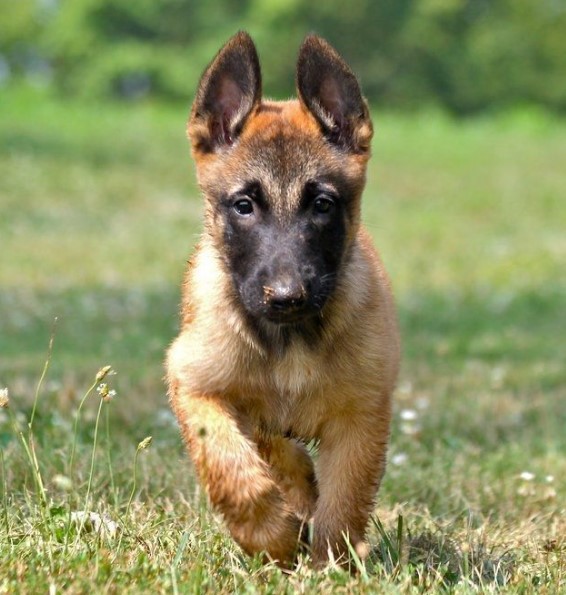
The Chow Chow puppy is one of the most distinctive and adorable bundles of fluff you will ever encounter. With their teddy bear appearance, lion-like mane, deep-set eyes, and signature blue-black tongue, these puppies look like living stuffed animals that somehow came to life. However, beneath that incredibly cute exterior lies an ancient, independent, and often stubborn breed with unique needs that every prospective owner must understand.
Known as one of the oldest dog breeds in the world, Chow Chows originated in China and were used for hunting, guarding, and even as a food source in ancient times. Today, they are beloved companion dogs for those who appreciate their dignified, cat-like personality and striking looks. Raising a Chow Chow puppy is a rewarding but challenging journey that requires commitment, patience, and knowledge.
This comprehensive guide covers everything you need to know about Chow Chow puppies in 2026 — from their history and characteristics to feeding, training, grooming, health concerns, cost, and long-term care. Whether you’re considering bringing home a Chow Chow puppy or already have one, this article will help you raise a happy, healthy, and well-adjusted dog.
History and Origins of the Chow Chow
The Chow Chow is an ancient breed with records dating back over 2,000 years in China. DNA studies suggest they are one of the oldest breeds, closely related to the Shar-Pei and Akita. In ancient China, they were called “Songshi Quan,” meaning “puffy lion dog.” They were used for hunting, pulling carts, guarding temples, and unfortunately, as a meat source during times of famine.
The breed was introduced to the West in the late 18th century and gained popularity after Queen Victoria showed interest in them. The American Kennel Club (AKC) recognized the Chow Chow in 1903. Their distinctive blue-black tongue, which appears around 8–10 weeks of age in puppies, is one of their most famous traits and is shared with only a few other breeds like the Shar-Pei.
Physical Characteristics of Chow Chow Puppies
Chow Chow puppies are born looking like small, fluffy bears. At birth, they typically weigh 10–16 ounces. Their coat starts relatively short and soft but quickly develops into the signature thick double coat.
Key Features:
- Coat: Double coat with a dense, woolly undercoat and coarser outer coat. Puppies can be red, black, blue, cinnamon, or cream.
- Head: Broad skull with a flat profile and deep-set eyes. Puppies often have an extremely teddy-bear-like face that matures into a more lion-like expression.
- Tongue: Most Chow puppies develop the characteristic blue-black tongue between 8–12 weeks.
- Body: Stocky, muscular build with straight legs and a curled tail carried high over the back.
- Size: Males grow to 19–22 inches tall and 55–70+ pounds. Females are slightly smaller at 18–20 inches and 45–60 pounds. They reach full size around 18–24 months.
One of the most charming stages is between 3–8 months when they look like walking powder puffs with oversized heads and clumsy paws.
Temperament and Personality of Chow Chow Puppies
Chow Chow puppies are often described as “independent thinkers.” Unlike Golden Retrievers or Labradors that aim to please, Chow puppies have a more cat-like personality — aloof, dignified, and selective with their affection.
Positive Traits:
- Loyal and protective of their family
- Generally quiet and clean
- Excellent watchdogs
- Can be incredibly affectionate with their chosen people
- Good with respectful older children
Challenges:
- Can be stubborn and strong-willed during training
- Often aloof or wary of strangers
- Prone to dog aggression if not properly socialized
- High prey drive toward small animals
- Can be sensitive to handling, especially around the head and feet
Early socialization (from 8–16 weeks) is absolutely critical for Chow Chow puppies. Positive exposure to different people, dogs, environments, and sounds helps prevent fear-based reactivity later in life.
Puppies: Bernese Mountain Dog Puppy
Training a Chow Chow Puppy
Training a Chow Chow puppy requires patience, consistency, and positive reinforcement. They respond poorly to harsh methods and may become shut down or defiant.
Best Practices:
- Start basic obedience as early as 8 weeks (sit, stay, come, leave it).
- Use high-value treats and short, fun sessions (5–10 minutes).
- Focus heavily on recall and leash manners.
- Socialization classes are highly recommended.
- Consider professional training if this is your first Chow.
Many Chow owners note that their dogs become much more trainable and relaxed after they reach 2–3 years of age, once the puppy stubbornness phase passes.

Grooming Your Chow Chow Puppy
The Chow Chow’s luxurious coat requires significant maintenance:
- Brushing: Daily to every other day, especially during shedding seasons (spring and fall).
- Bathing: Every 4–8 weeks using gentle dog shampoo.
- Nails and Ears: Regular trimming and cleaning.
- Lion Cut: Some owners opt for a “lion cut” in summer for comfort, though many prefer the natural look.
Start grooming routines early so your puppy learns to accept brushing and handling.
Feeding and Nutrition for Chow Chow Puppies
Chow Chow puppies need a high-quality large-breed puppy formula rich in protein (28–32%) and controlled calcium levels to support healthy bone development.
Feeding Guidelines:
- 3–4 meals per day until 6 months, then 2 meals.
- Avoid free-feeding to prevent obesity.
- Monitor weight carefully — Chow puppies can gain weight quickly.
- Consider joint supplements (glucosamine) as they grow.
Common allergens for the breed include chicken and grains, so many owners choose limited-ingredient or novel protein diets.
Exercise and Mental Stimulation
Despite their stocky appearance, Chow Chow puppies need regular exercise:
- 30–45 minutes of daily walks (split into multiple sessions).
- Playtime in a secure yard.
- Mental enrichment through puzzle toys, scent work, and training.
Over-exercising growing joints should be avoided. Chow puppies are prone to hip dysplasia, so controlled exercise is important.
Health Concerns in Chow Chow Puppies
Chow Chows are generally sturdy but can be prone to:
- Hip and elbow dysplasia
- Entropion (eyelid rolling inward)
- Hypothyroidism
- Autoimmune issues
- Skin allergies and hot spots
- Bloat (Gastric Dilatation-Volvulus)
Responsible breeders screen for genetic issues. Always ask for health clearances (OFA, CERF) when buying a puppy.
Cost of Owning a Chow Chow Puppy in 2026
- Purchase Price: $1,200–$3,500+ from reputable breeders.
- First Year Costs: $2,500–$4,500 (including spay/neuter, vaccines, initial supplies, training).
- Annual Ongoing Costs: $1,800–$3,000 (premium food, grooming, vet care, etc.).
Pros and Cons of Chow Chow Puppies
Pros:
- Striking, unique appearance
- Loyal and protective
- Relatively quiet
- Low odor when groomed properly
Cons:
- High grooming demands
- Can be stubborn and challenging to train
- Potential for dog aggression
- Not ideal for first-time owners or very busy households
Real-Life Experiences
Many owners describe their Chow puppies as “teddy bears with attitude.” One owner shared how her Chow puppy, initially aloof, became her shadow after consistent positive training and bonding activities. Challenges often center around grooming battles and managing reactivity toward other dogs during adolescence.
Choosing a Chow Chow Puppy
Look for breeders who:
- Health test parents
- Raise puppies in a home environment
- Allow you to meet the mother
- Provide health guarantees
Consider adoption — many Chow mixes and adults need homes through breed-specific rescues.
FAQs About Chow Chow Puppies
1. Are Chow Chow puppies good with children? They can be excellent with respectful older children but require supervision with toddlers due to their size and independent nature.
2. How big do Chow Chow puppies get? Males typically reach 55–70+ pounds and 19–22 inches tall. Females are slightly smaller.
3. Do Chow Chow puppies shed a lot? Yes, especially during seasonal blows. Daily brushing is necessary.
4. Are Chow Chows easy to train? They are intelligent but stubborn. Consistent, positive training works best.
5. What is the lifespan of a Chow Chow? Average 9–15 years, with many living 12+ years with good care.
6. Do Chow Chow puppies like to cuddle? Some do, especially with their chosen people, but many prefer to lounge nearby rather than constant physical contact.
7. How much exercise does a Chow Chow puppy need? Moderate daily exercise. Avoid over-exercising growing joints.
8. Are Chow Chows good apartment dogs? Possible if given enough exercise and mental stimulation, but a yard is preferable.
9. What colors do Chow Chow puppies come in? Red, black, blue, cinnamon, and cream. Red remains the most popular.
10. Are Chow Chows good first dogs? They are better suited for experienced owners who understand independent breeds.
Conclusion
A Chow Chow puppy is not just a pet — it’s a commitment to raising a majestic, ancient breed with a strong personality and unique beauty. These fluffy lion cubs grow into dignified, loyal companions that reward patient, dedicated owners with deep bonds and unforgettable presence.
Success with a Chow Chow puppy comes down to early socialization, consistent positive training, diligent grooming, and realistic expectations. While they are not the easiest breed, the special connection you build with a well-raised Chow Chow is incredibly rewarding.
If you have the time, space, and dedication to meet their needs, a Chow Chow puppy can become one of the most loyal and impressive dogs you will ever share your life with. Their teddy-bear looks may steal your heart at first sight, but their loyal spirit will keep it forever.
Ready to welcome a fluffy lion into your home? Do thorough research, find a responsible breeder or rescue, and prepare for an adventure filled with fluff, attitude, and unconditional love.